

Woods are useful assets—they supply shade, increase air quality, and increase home value by up to 15%, in line with the Arbor Time Foundation. But not every tree deserves a place in your yard. When a tree becomes a responsibility rather than a property, tree service will be the many responsible decision a homeowner can make.
How popular is tree-related house injury?
More common than most people expect. The Insurance Data Institute studies that slipping trees and limbs account for billions of pounds in house damage every year over the United States. Oftentimes, early removal may have stopped losing entirely.
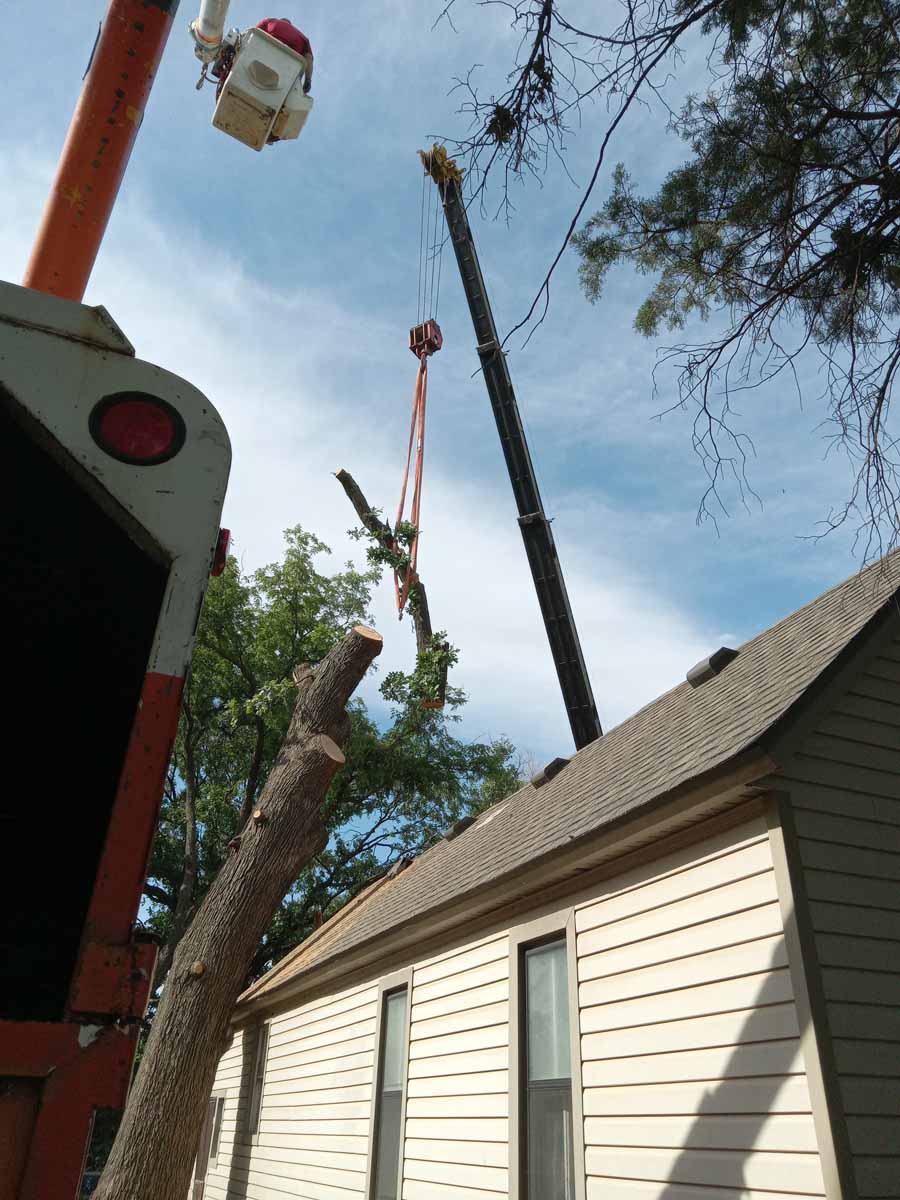
What're the most frequent signals a tree needs to be eliminated?
Several obvious signs recommend a tree has reached the end of its safe life:
Significant architectural decay: Useless trunks, large cavities, or obvious fungal growth (such as mushrooms at the base) signal internal rot that compromises the tree's stability.
More than 50% injury: Arborists generally utilize the 50% rule—if more than half the tree is diseased or lifeless, removal is usually encouraged over treatment.
Hovering beyond 15 levels: An immediate or pronounced lean, especially after having a surprise, suggests root failure and an increased threat of collapse.
Useless or hanging offices around high-traffic parts: Known as "widow designers," these divisions create significant injury risks to persons and structures below.
Does a tree's place influence the removal decision?
Absolutely. A desperate tree in a open area presents less risk than one positioned near a house, energy point, or commonly used outside space. Area to structures is one of the very most critical factors arborists assess when evaluating whether removal is necessary.
Can a broken tree actually be saved instead?
Yes—but this will depend on the extent and type of damage. Small illness, floor injuries, or confined pest infestations can usually be handled through pruning, wiring, or targeted care. However, when origin techniques are compromised or structural integrity is beyond fix, number amount of therapy sustains safety.
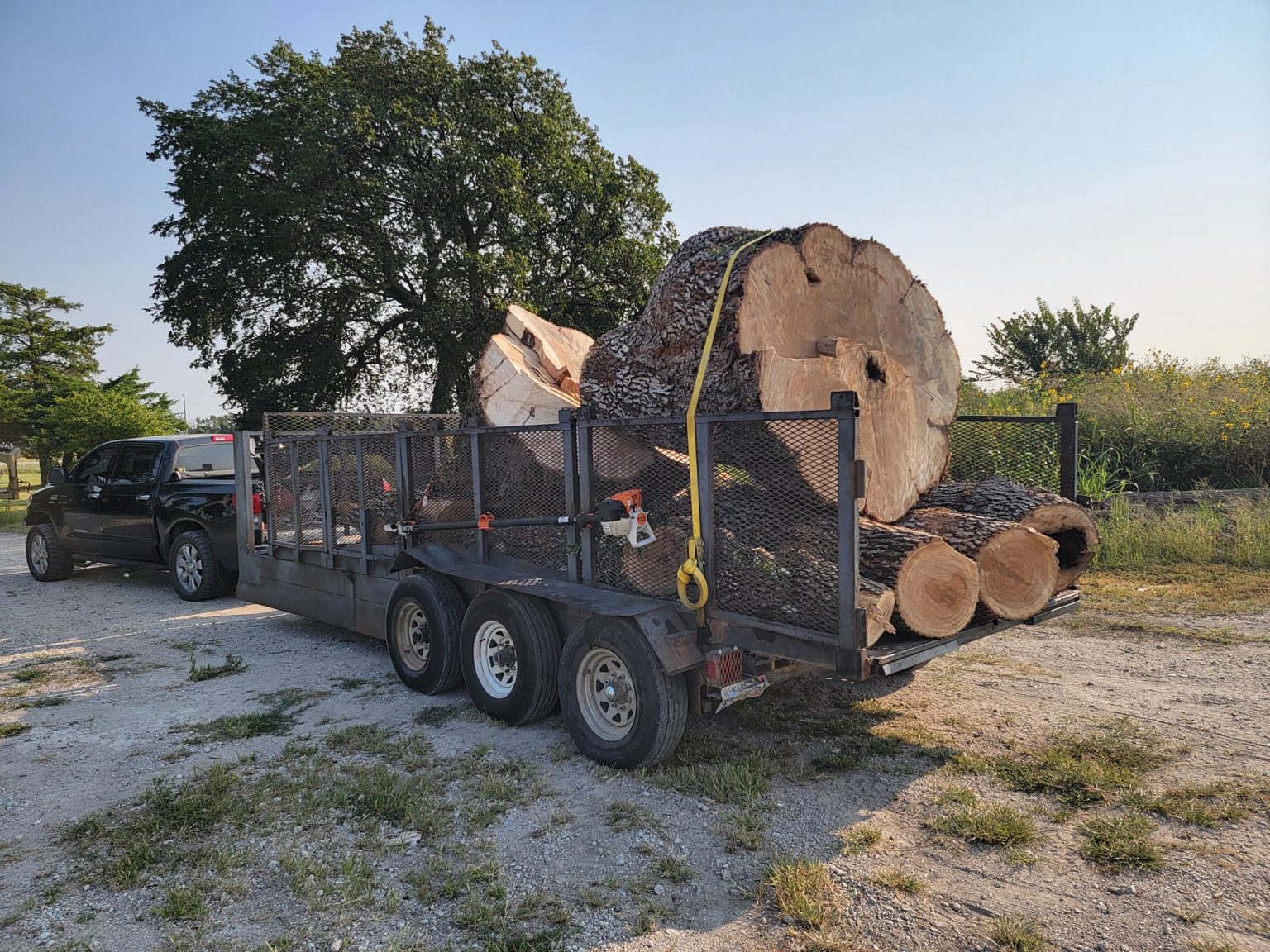
How does tree removal gain the bordering landscape?
Eliminating a hazardous or suffering tree usually increases the entire health of your yard. Diseased woods may spread fungal infections and pest infestations to neighboring trees. Their removal allows encompassing vegetation to get into more sunlight, water, and nutrients—often resulting in a measurably healthiest landscape overall.
What should a homeowner do before scheduling tree removal ?
Consult a professional arborist first. An expert analysis assures removal is really essential and helps recognize whether allows are expected in your area. Many municipalities control the removal of woods over a particular start height, therefore canceling regional rules before proceeding is always a good first step.
Ultimate Thought
Tree removal is never a choice to take lightly—but delaying it once the signs are clear could be a lot more costly. A practical strategy shields your house, your household, and the long-term wellness of one's landscape.